Complete Restoration Timeline at a Glance
Phase 1: Emergency Response Reaches Norcross Properties Within 60 Minutes of the Initial Call
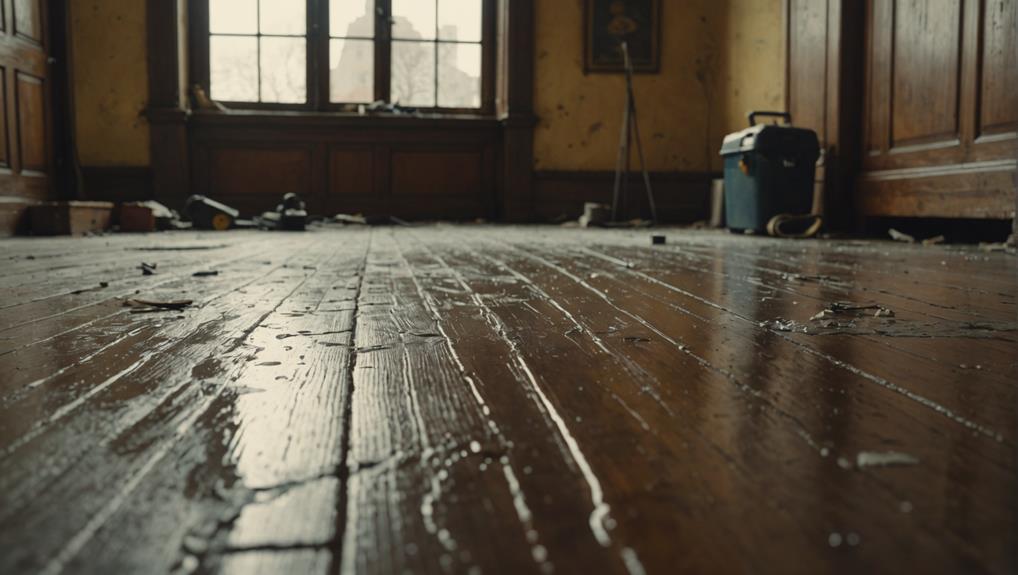
The first phase of the restoration process begins the moment you call. Our dispatch center operates 24 hours a day, 365 days a year, with crews positioned throughout Gwinnett County to guarantee arrival at any Norcross address within 60 minutes. This rapid response window exists for a specific reason: water damage compounds exponentially with time. Research from the Institute of Inspection, Cleaning and Restoration Certification shows that restoration costs increase by approximately 20-40% for every 24 hours that water remains in contact with building materials. A burst pipe that causes $3,000 in damage at the two-hour mark can generate $5,000 to $8,000 in damage by the 24-hour mark — and that estimate does not account for mold remediation costs that emerge days later.
When technicians arrive at your Norcross property, they do not immediately begin extracting water. The first 15 to 20 minutes are dedicated to assessment activities that determine how the remainder of the project will unfold. Rushing past this assessment phase is one of the most common mistakes made by homeowners attempting DIY water damage cleanup — they grab a wet vacuum and start removing water without understanding the source, the contamination level, or the full extent of the damage behind walls and under floors.
Safety Assessment Evaluates Electrical Hazards and Structural Integrity Before Entry
Before any technician enters a water-damaged structure, the crew leader performs a safety assessment from outside the affected area. Standing water and electrical systems create a potentially lethal combination, and the risk is not limited to obviously submerged outlets. Water migrating through wall cavities can contact wiring, junction boxes, and circuit breaker panels hidden behind finished surfaces. In Norcross homes built before 1990 — common in the Historic District and older neighborhoods along Holcomb Bridge Road — aluminum wiring and outdated panel configurations increase the electrical risk during water events.
The safety assessment follows a standardized checklist: verify that the main electrical panel is accessible and dry, check for standing water in contact with any electrical outlet or appliance, assess structural elements for sagging ceilings, buckling floors, or compromised load-bearing walls, and identify any hazardous materials such as asbestos-containing materials in homes built before 1980. If the electrical panel is in or near the affected area, our technicians coordinate with Georgia Power or a licensed electrician to disconnect power before entering. Structural compromise — particularly sagging ceilings holding water weight — may require temporary shoring before work can proceed safely.
Water Source Identification Stops Active Intrusion and Prevents Continued Damage
Identifying and stopping the water source is the single most impactful action in the entire restoration process. Every minute that water continues entering the structure increases the total moisture load that must be extracted and dried. Common water intrusion sources in Norcross properties include burst or frozen pipes (particularly in crawl spaces and attic runs during rare winter freezes), failed supply lines on water heaters and washing machines, roof leaks during severe thunderstorms, sewer backups through floor drains, and HVAC condensate line failures during the summer cooling season.
Some sources are immediately obvious — a broken pipe spraying water across a room requires no detective work. Others require systematic investigation. A wet ceiling in a second-floor bathroom may indicate a supply line failure in the wall above, a drain leak behind the shower surround, or a roof leak that has traveled along a rafter and dripped at a low point far from the actual penetration. Our technicians use thermal imaging and moisture meters to trace water migration pathways back to their origin point, ensuring that the actual source is identified and stopped rather than just treating a visible symptom downstream.
Once the source is identified, our crew either performs the repair directly (shutting off supply valves, capping broken pipes, clearing drain blockages) or coordinates with a licensed plumber or roofer for specialized repairs. The source must be confirmed as stopped before extraction begins — extracting water while the source continues flowing is both inefficient and potentially misleading, because the structure will appear to be drying normally until the hidden source replenishes the moisture.
IICRC S500 Category Classification Determines Contamination Level and Required Protocols
The IICRC S500 standard classifies water damage into three categories based on the contamination level of the water source, and this classification drives every subsequent decision in the restoration process. The category determines which personal protective equipment technicians must wear, which materials can be salvaged versus replaced, whether antimicrobial treatment is required, and how aggressive the extraction and drying protocols must be.
- Category 1 (Clean Water) originates from a sanitary source such as a broken potable water supply line, a toilet tank leak (without bowl involvement), or a malfunctioning appliance supply line. Category 1 water does not pose a health risk upon initial contact, though it degrades to Category 2 within 48 hours if left standing.
- Category 2 (Gray Water) contains significant contamination that may cause illness upon contact or ingestion. Sources include washing machine discharge, dishwasher overflow, toilet overflow containing urine, and HVAC condensate overflows. Gray water events require antimicrobial treatment of all affected surfaces and removal of certain porous materials like carpet padding.
- Category 3 (Black Water) is grossly contaminated and contains pathogenic agents including bacteria, viruses, and parasites. Sources include sewage backup, rising floodwater, and any standing water that has remained long enough to support significant microbial growth. Category 3 events require full containment, EPA-registered biocide application, and removal of all contacted porous materials.
Proper classification matters beyond the immediate health implications. Insurance adjusters reviewing your claim will verify that the restoration company applied protocols appropriate to the water category. A Category 3 event treated with Category 1 protocols can result in a denied claim and, more importantly, ongoing health hazards from inadequate decontamination. Our technicians document the source, category classification, and rationale in writing before extraction begins, creating a defensible record for your insurance claim.
Phase 2: Water Extraction Removes 95% of Standing Water Within the First 24 Hours
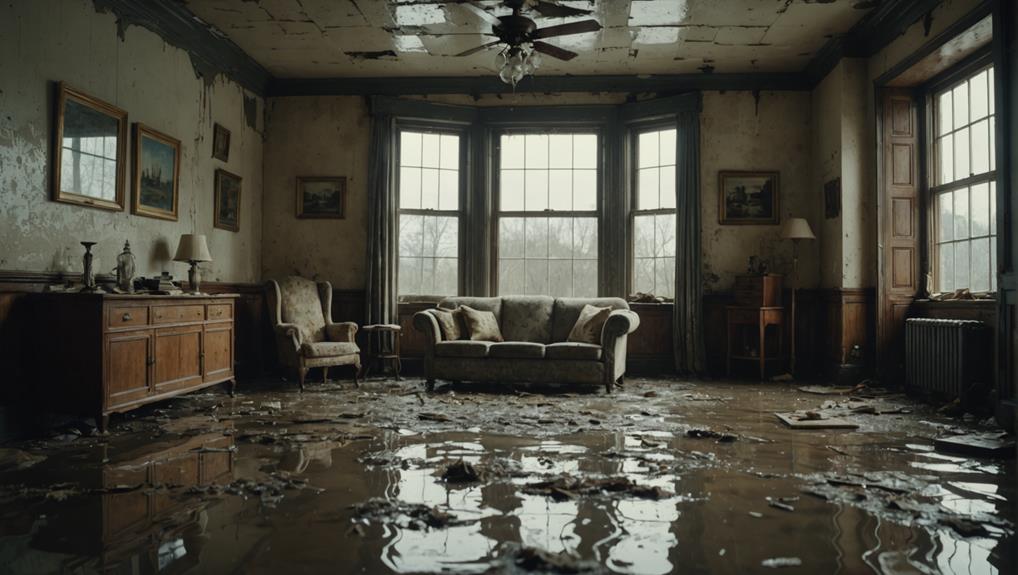
Water extraction is the most time-critical phase of the restoration process. The objective is straightforward: remove as much water as physically possible, as fast as possible. Every gallon of water removed through extraction is a gallon that does not need to be evaporated during the slower structural drying phase. Extraction is roughly 1,200 times more energy-efficient than evaporation for removing water from a structure, which is why professional restoration companies invest heavily in high-capacity extraction equipment rather than relying primarily on dehumidifiers.
The extraction phase begins immediately after the source has been stopped and the damage classified. For a typical Norcross home with water covering 500 to 1,000 square feet at a depth of one to three inches, the initial extraction takes four to eight hours. Larger flood events — particularly slab-on-grade homes near Beaver Ruin Creek that experience stormwater intrusion — may require 12 to 18 hours of continuous extraction work.
Truck-Mounted Extractors Process Thousands of Gallons Per Hour From Flooded Properties
Truck-mounted extraction systems are the primary tool for removing large volumes of standing water. These units draw power from the truck's engine via a power take-off (PTO) system, generating vacuum pressures far exceeding what portable electric units can achieve. Our truck-mounted extractors process approximately 20 to 30 gallons of water per minute — meaning a room with 200 gallons of standing water can be cleared in under 10 minutes. By comparison, a consumer-grade shop vacuum removes one to two gallons per minute and requires frequent emptying.
The truck-mounted system connects to the structure through a single supply hose that can reach up to 300 feet from the vehicle, allowing extraction from any room in even the largest Norcross homes without repositioning the truck. Water is stored in a 300-gallon holding tank on the truck and discharged to the municipal storm drain system (for Category 1 water) or transported to an approved disposal facility (for Category 2 and 3 water) per Gwinnett County environmental regulations.
During extraction, technicians work systematically from the area of deepest accumulation toward the perimeter, using weighted extraction wands that press into carpet and pad to squeeze out absorbed water. On hard surfaces like tile, hardwood, and concrete, squeegee-style extraction heads create a sealed vacuum chamber that pulls water from grout lines, expansion joints, and surface pores that a standard wand would miss. The goal is to remove not just the visible standing water but the absorbed moisture in the top layer of every affected material.
Portable Extractors Handle Precision Removal in Closets, Crawl Spaces, and Tight Areas
Truck-mounted extractors excel at removing large volumes quickly, but their rigid hose configurations and large extraction heads are not practical for every situation. Portable extraction units fill the gap in areas where the truck-mounted system cannot effectively reach: inside closets, under built-in cabinetry, in crawl spaces with limited headroom, between appliances in tight laundry rooms, and in upstairs bathrooms where hose routing from the truck would be impractical.
Our portable extraction units include the Dri-Eaz PHD 200 self-contained extractor for carpet and pad removal, handheld crevice tools for extracting water from wall cavities through small access holes, and sub-surface extraction mats that draw water upward from hardwood and concrete through capillary action under sustained vacuum. The sub-surface extraction mats are particularly important for Norcross homes with hardwood flooring — they apply even vacuum pressure across a large surface area without the concentrated pressure points that can dent or scratch wet wood.
At the conclusion of the extraction phase, technicians perform a complete moisture survey using both pin-type and non-invasive moisture meters. This survey establishes the baseline moisture readings that will be tracked daily during the drying phase. Every wall, floor section, and ceiling area in and adjacent to the affected zone receives an initial reading, and these readings are mapped on a floor plan diagram that becomes part of the permanent project documentation.
Why Speed Matters During Water Extraction
Water follows both gravity and capillary action simultaneously. In standard gypsum drywall, moisture wicks upward at approximately one inch per hour through the paper facing. Carpet padding acts as a sponge, holding six to eight times its weight in water while slowly releasing moisture into the subfloor beneath. Every hour of delayed extraction extends the drying timeline and increases the volume of material that may require removal and replacement. Our 60-minute response guarantee exists specifically to minimize this secondary migration damage.
Phase 3: Structural Drying Reduces Moisture to Acceptable Levels Over 3 to 5 Days
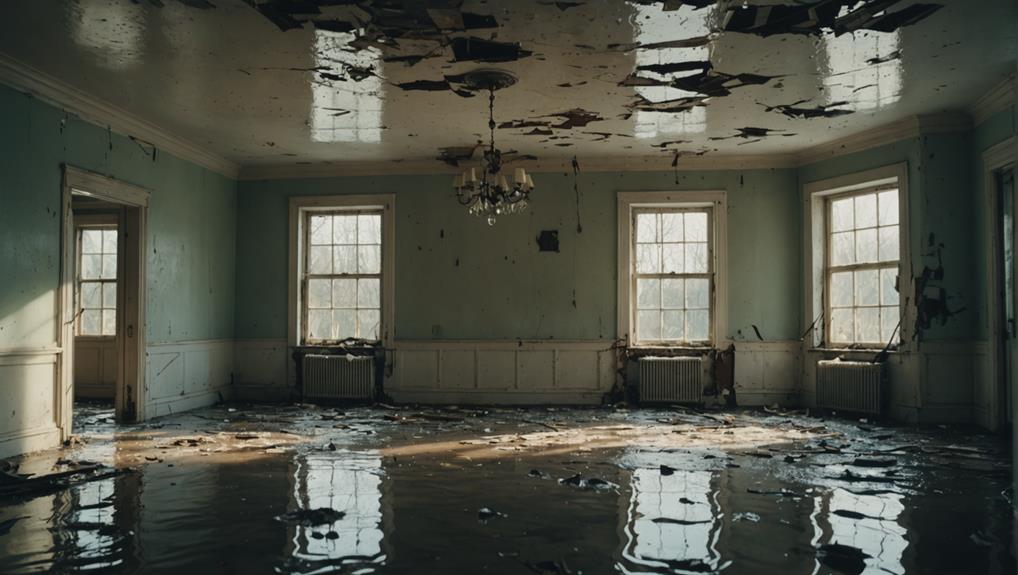
Once extraction removes the free-standing and loosely absorbed water, the structural drying phase targets the bound moisture that remains trapped within building materials. Even after thorough extraction, drywall retains approximately 8 to 12 ounces of water per square foot, hardwood flooring holds moisture deep within the wood grain, and concrete slabs can retain moisture for weeks if not properly dried. The structural drying phase uses the principles of psychrometric science — the study of thermodynamic properties of moist air — to create atmospheric conditions inside the structure that accelerate evaporation from wet materials while simultaneously removing that evaporated moisture from the air.
The standard drying timeline for a Norcross property is three to five days, though several variables influence the actual duration. Building construction type matters: pier-and-beam homes with accessible crawl spaces dry faster than slab-on-grade construction because air can circulate beneath the subfloor. Material composition matters: plaster walls common in older Norcross Historic District homes retain moisture longer than standard gypsum drywall. And climate matters: Norcross's humid subtropical conditions mean that outdoor air provides no drying benefit during summer months, making the sealed-environment approach with dehumidifiers essential rather than optional.
Psychrometric Science Guides Equipment Placement for Maximum Drying Efficiency
Effective structural drying is not simply a matter of placing dehumidifiers and fans in a room and waiting. The specific number of units, their placement, and their operating parameters are calculated based on psychrometric measurements taken at the start of the drying phase and recalculated daily as conditions change. The four critical measurements are dry bulb temperature, relative humidity, grains per pound of moisture (GPP), and dew point temperature.
In a water-damaged Norcross home during summer, typical interior conditions after extraction might read 78 degrees Fahrenheit dry bulb, 75% relative humidity, and 115 grains per pound. The drying target for most building materials is approximately 50 GPP at 70 to 75 degrees — conditions that create a vapor pressure differential strong enough to pull bound moisture out of materials at an efficient rate. Achieving this target in a 1,500-square-foot Norcross home typically requires four to six LGR (Low Grain Refrigerant) dehumidifiers rated at 130 pints per day each, plus fifteen to twenty high-velocity air movers positioned to create laminar airflow across all wet surfaces.
Air mover placement follows a specific pattern: units are angled at approximately 15 degrees against wet walls to disrupt the boundary layer of saturated air that clings to the surface. This boundary layer — a thin film of high-humidity air directly above the wet material — acts as a barrier to evaporation. Without air movement to strip away this saturated layer, even powerful dehumidifiers cannot dry materials efficiently because the air immediately above the wet surface is already at 100% relative humidity. Technicians position one air mover for every 10 to 16 linear feet of affected wall and adjust positions daily based on moisture readings.
Daily Moisture Readings Document Progress and Satisfy Insurance Adjuster Requirements
Every day during the drying phase, a technician returns to the property to take moisture readings at every point on the monitoring grid established during extraction. These readings are recorded on a standardized drying log that tracks the moisture curve — the rate at which each building material is releasing moisture over time. A healthy drying curve shows consistent reductions of 5 to 15 percentage points per day for drywall and 2 to 5 points per day for structural wood framing.
The daily monitoring visit serves three purposes beyond documentation. First, the technician adjusts equipment based on the latest readings. As materials near their dry standard, some dehumidifiers or air movers may be repositioned to focus on slower-drying areas, or additional units may be added to address stubborn moisture pockets revealed by thermal imaging. Second, the technician checks that all equipment is functioning correctly — condensate lines are draining, air filters are clean, and electrical circuits are not tripping from the combined load of multiple units. Third, the visit provides an opportunity to assess the structure for any emerging complications such as lifting flooring seams, paint blistering, or visible mold growth that may indicate a hidden problem.
Insurance adjusters rely heavily on these moisture logs when reviewing restoration claims. A complete drying log shows the initial moisture readings, daily progress, equipment deployed, and the final readings confirming that all materials reached their dry standard. Without this documentation, adjusters may question whether professional drying was actually performed or whether the claimed equipment was actually on site for the billed duration. Our drying logs include timestamped photographs of equipment placement taken during each daily visit, providing visual evidence that corresponds to the numerical moisture data.
Phase 4: Restoration and Reconstruction Completes Within 1 to 3 Weeks
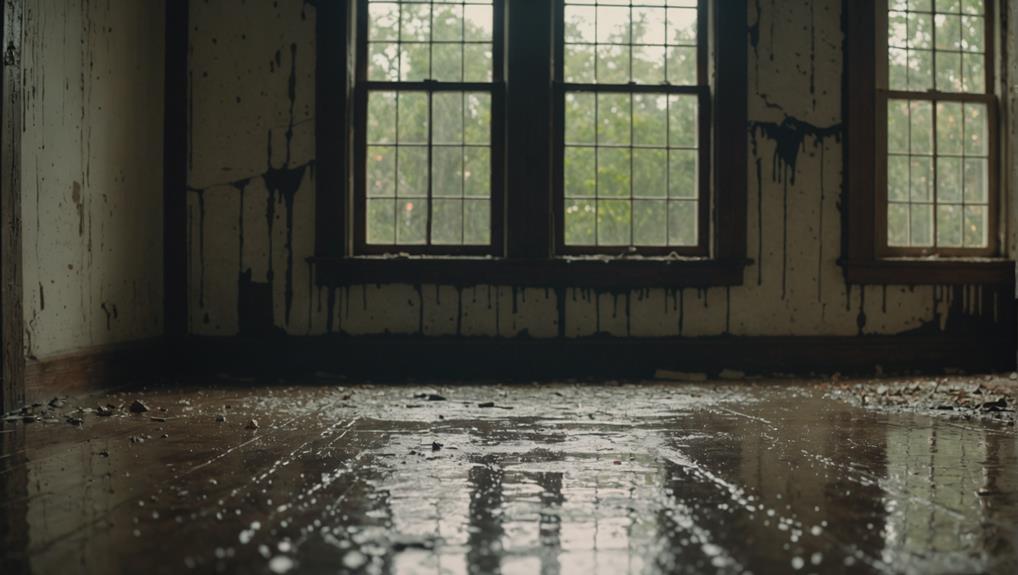
The restoration phase begins once structural drying is verified complete through objective moisture measurements. This phase transforms the property from a dried-out, partially demolished structure back to its pre-damage condition. The scope of reconstruction varies dramatically depending on the severity and category of the original water event. A minor Category 1 supply line leak might require only baseboard replacement and repainting, while a major Category 3 sewer backup could necessitate full drywall replacement, new flooring, cabinet reconstruction, and electrical and plumbing work.
Our restoration division operates as a licensed general contractor, which means the same company handling your emergency water extraction also handles the final coat of paint. This single-source approach eliminates the coordination burden that falls on homeowners when they must independently hire and schedule demolition crews, framers, drywall installers, flooring contractors, painters, and finish carpenters. It also creates a single point of accountability for both the insurance claim and the warranty on completed work.
Damaged Material Removal Follows Gwinnett County Disposal Regulations
Before reconstruction can begin, all water-damaged materials that cannot be restored must be removed from the structure. The scope of material removal is determined during the drying phase based on moisture readings, material type, and water category. Drywall is removed to a minimum of 12 inches above the highest detected moisture point — not the visible waterline, which is often lower than actual moisture migration through capillary action. Carpet and pad in Category 2 and 3 events are removed entirely. Insulation that has been wetted loses its R-value permanently and is always replaced.
Gwinnett County requires that water-damaged construction debris be disposed of at approved solid waste facilities. Category 3 contaminated materials — including drywall, insulation, carpet, and padding that contacted sewage or floodwater — must be bagged in 6-mil polyethylene contractor bags, sealed, and transported in enclosed vehicles to prevent contamination during transit. Our crews handle all material removal, hauling, and disposal as part of the restoration scope, and disposal manifests are retained as part of the project documentation for insurance and regulatory compliance.
The demolition process itself requires care to avoid damaging materials that will remain in place. Technicians use oscillating multi-tools to cut clean, straight lines in drywall rather than tearing it by hand, which can crack drywall above the cut line and damage corner bead or trim that would otherwise be salvageable. Flooring removal uses specialized tools matched to the installation method — glue-down hardwood requires different techniques than nail-down or floating installations — to protect the subfloor beneath.
Reconstruction Matches Original Materials and Finishes for Seamless Repair
The goal of reconstruction is a repair that is invisible — no visible seams between new and existing drywall, no color variation between new and existing paint, and no height or texture differences between new and existing flooring. Achieving this standard requires matching the specific materials and techniques used in the original construction, which varies significantly across Norcross's diverse housing stock.
Homes in the Norcross Historic District built in the early 1900s may feature plaster-over-lath walls, original hardwood flooring in species no longer commercially available, and custom millwork profiles that require reproduction by a specialty shop. Subdivisions built during the 1980s and 1990s along Technology Parkway and Medlock Bridge Road typically use standard 1/2-inch gypsum drywall, builder-grade carpet, and stock trim profiles available at local building supply stores. Newer construction in the Jimmy Carter Boulevard corridor often includes engineered hardwood, luxury vinyl plank, and contemporary flat-stock trim.
Our project manager documents all existing materials during the scope inspection, including manufacturer, model, color, and lot numbers where visible. For flooring, paint, and cabinetry, we obtain samples from concealed areas (inside closets, behind appliances) to ensure accurate color matching. When exact matches are discontinued or unavailable, we work with the homeowner to select the closest available alternative and, where feasible, extend the replacement material to a natural breaking point — a doorway or room transition — so that the new material meets the old material at a logical boundary rather than in the middle of a visible run.
The reconstruction timeline for moderate water damage — affecting two to three rooms with drywall replacement, flooring, and painting — typically runs seven to fourteen working days. Complex projects involving structural repairs, custom materials, or multiple trades may extend to three weeks or longer. Our project manager provides a detailed schedule at the start of reconstruction and communicates daily progress updates so homeowners can plan accordingly.
Insurance Documentation Accompanies Every Phase of the Restoration Process
Insurance documentation is not an afterthought added at the end of the restoration process — it is an integrated activity that begins with the first phone call and continues through final reconstruction. The quality and completeness of this documentation directly affects whether your insurance claim is approved, how much the carrier pays, and how quickly you receive reimbursement. Claims supported by thorough, timestamped documentation are approved faster and paid at higher rates than claims relying on after-the-fact estimates and verbal descriptions.
Timestamped Photo Evidence Supports Water Damage Insurance Claims
Our technicians photograph every phase of the restoration process using digital cameras with embedded GPS and timestamp data. The photographic record begins with the initial conditions — standing water levels, damaged materials, the identified water source — and continues through extraction, drying equipment placement, daily monitoring visits, material removal, and each stage of reconstruction. A typical residential water damage project generates 200 to 400 photographs organized into dated folders that correspond to the daily activity logs.
These photographs serve multiple purposes in the insurance process. They document the initial severity of the damage, which is important because by the time an insurance adjuster visits the property (often 24 to 72 hours after the initial call), extraction and drying are already underway and the property looks dramatically different than it did at the peak of the water event. Without initial-condition photos, adjusters must estimate the original damage based on what they observe days later, which frequently results in underestimation. Our photographic evidence provides the adjuster with an accurate picture of the conditions that necessitated the emergency response and the scope of work performed.
Video documentation supplements still photography for certain situations. We record video walkthroughs of the property at the initial assessment, after extraction is complete, and after material removal — three critical transition points where the scope of damage changes significantly. Video captures spatial relationships and damage extent in a way that individual photographs cannot, and adjusters increasingly request video documentation as part of the claims process.
Moisture Mapping Reports Provide Objective Data for Insurance Adjusters
The moisture mapping report is arguably the most important insurance document in a water damage claim. This report contains the floor-plan diagram showing every moisture monitoring point, the initial readings at each point, daily readings throughout the drying phase, the dry standard for each material type, and the final readings confirming that all materials met the dry standard. The report also records the psychrometric conditions (temperature, relative humidity, GPP) at each daily monitoring visit and the specific equipment deployed including model numbers, serial numbers, and operating hours.
Insurance adjusters use the moisture mapping report to verify three things: that professional-grade drying was actually performed (not just billed), that the equipment deployment was appropriate for the scope of damage, and that the drying duration billed was consistent with the actual moisture reduction observed. A complete moisture mapping report with consistent daily readings and a clear drying curve is difficult for an adjuster to dispute, because the data tells an objective story about the conditions and the response.
We also prepare a detailed line-item estimate using Xactimate — the same estimating software used by major insurance carriers — which prices every activity and material at the current local market rate for Gwinnett County. Using the same software and pricing database as the insurance company eliminates disputes over unit costs and ensures that the estimate speaks the same language as the adjuster's own tools. When the initial insurance estimate does not cover the full scope of documented damage, we prepare and submit supplements with supporting documentation to close the gap.
Start the Restoration Process Now — Call for 60-Minute Emergency Response
Every hour of delayed response increases restoration costs and mold risk. Our IICRC-certified technicians are standing by 24/7 to begin the 4-phase restoration process at your Norcross property.
(888) 450-0858IICRC Certified • Licensed & Insured • Free Estimates • Direct Insurance Billing
Serving: Downtown Norcross Historic District • Peachtree Corners • Jimmy Carter Blvd Corridor • Beaver Ruin Road • Jones Bridge Road • And All Surrounding Communities