IICRC-Certified Water Damage Restoration Requires ANSI/IICRC S500 Compliance at Every Phase
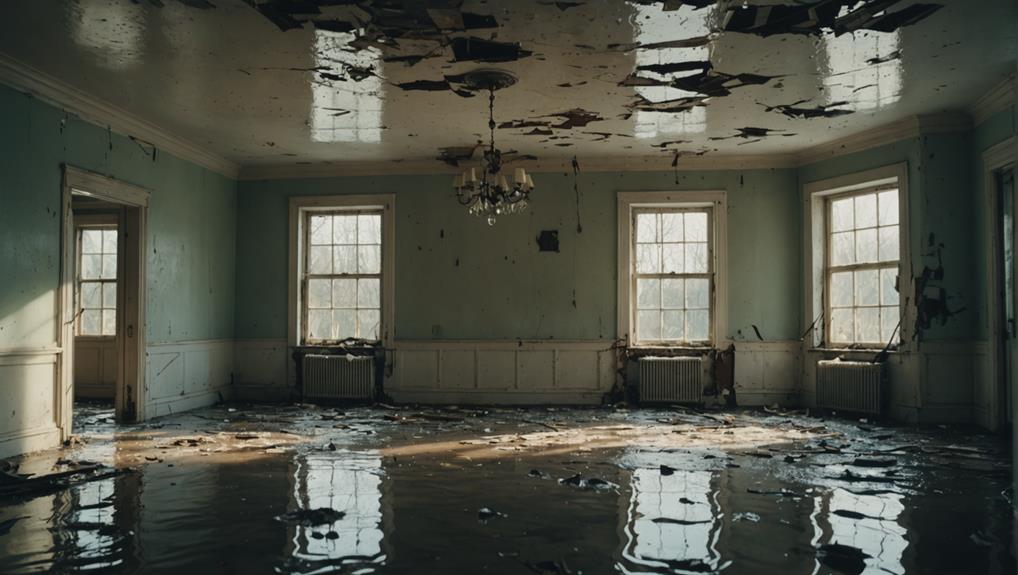
Professional water damage restoration is governed by the ANSI/IICRC S500 Standard for Professional Water Damage Restoration, a comprehensive document that establishes procedures for inspection, water extraction, structural drying, decontamination, and reconstruction. Restoration companies that deviate from S500 protocols risk incomplete moisture removal, which leads to secondary damage including mold colonization, structural wood rot, and adhesive failure in flooring systems. Insurance adjusters increasingly require S500-compliant documentation before approving restoration claims in the $2,000 to $8,000 range that characterize most Norcross residential water damage events.
Our Norcross restoration team maintains current credentials across three critical certification programs, each validated through continuing education requirements that ensure our technicians apply current science and equipment specifications to every project. These certifications represent more than classroom training — they establish a documented chain of competency that protects property owners throughout the restoration process and provides defensible evidence for insurance claims.
IICRC WRT Certification Validates Water Restoration Technician Competency
The IICRC Water Restoration Technician (WRT) certification is the foundational credential for water damage restoration professionals. WRT-certified technicians demonstrate competency in water damage inspection, psychrometric science, structural drying principles, moisture monitoring, and contamination control. The certification requires passing a proctored examination covering S500 protocols, equipment operation, and safety procedures. Our technicians maintain WRT certification through biennial continuing education, ensuring they apply current industry standards to every Norcross restoration project from emergency extraction through final reconstruction.
ANSI/IICRC S500 Standard Governs Every Phase From Extraction Through Reconstruction
The S500 standard defines specific procedures for each phase of water damage restoration, including water damage classification (Category 1, 2, or 3 based on contamination level), class determination (Class 1 through 4 based on evaporation potential), equipment selection formulas based on affected volume and material type, and documentation requirements for insurance claim support. S500 compliance means every decision — from which materials to remove versus salvage, to how many dehumidifiers to deploy, to when structural drying is complete — is based on measurable data rather than subjective judgment. This data-driven approach consistently produces better outcomes and lower total restoration costs than non-standardized methods.
EPA Lead-Safe Certification Protects Norcross Properties Built Before 1978
The Downtown Norcross Historic District and surrounding neighborhoods contain numerous homes built before 1978 when lead-based paint was common in residential construction. Water damage restoration in these properties requires EPA Lead-Safe Certified Firm designation under the EPA's Renovation, Repair, and Painting (RRP) Rule. Our technicians follow lead-safe work practices including containment, specialized cleaning, and HEPA vacuum final cleanup when disturbing painted surfaces in pre-1978 homes during water damage restoration. Failure to follow RRP protocols carries federal penalties up to $37,500 per day per violation and exposes occupants to lead dust hazards during an already stressful restoration event.
View our complete restoration services and equipment specifications →
Four Restoration Phases Transform Water-Damaged Norcross Properties to Pre-Loss Condition
Every water damage restoration project follows a systematic four-phase process defined by ANSI/IICRC S500. Each phase builds on the previous one, and skipping or rushing any phase compromises the final result. Our detailed restoration process guide explains each phase in depth, but the overview below illustrates how certified technicians transform a water-damaged Norcross property back to its pre-loss condition within 5-14 days depending on damage severity.
Emergency Response and Assessment (0-24 Hours)
60-minute arrival at your Norcross property. Safety evaluation, water source containment, damage category and class determination, infrared moisture mapping, and emergency water extraction using truck-mounted units removing up to 30 gallons per minute.
Water Extraction and Cleanup (24-48 Hours)
Complete standing water removal with portable weighted extractors for carpet, hardwood, and concrete. Antimicrobial treatment for Category 2 and 3 events. Content inventory, pack-out services, and initial insurance documentation with photographs and moisture readings.
Structural Drying and Dehumidification (3-5 Days)
Strategic deployment of Dri-Eaz LGR 2800i dehumidifiers and Sahara Pro X3 air movers. Daily Tramex moisture monitoring at numbered grid points. Psychrometric calculations adjusted for Norcross's 70-85% ambient summer humidity. HEPA air scrubbing for mold prevention.
Restoration and Reconstruction (1-2 Weeks)
Damaged material removal and disposal per EPA guidelines. Structural repairs, drywall replacement, flooring installation, painting, and finish work. Post-remediation clearance testing confirms moisture levels meet S500 standards before project closeout.
Read the complete four-phase restoration process with equipment details and timelines →
Water Damage Restoration Costs in Norcross Range From $2,000 to $8,000 Per Emergency
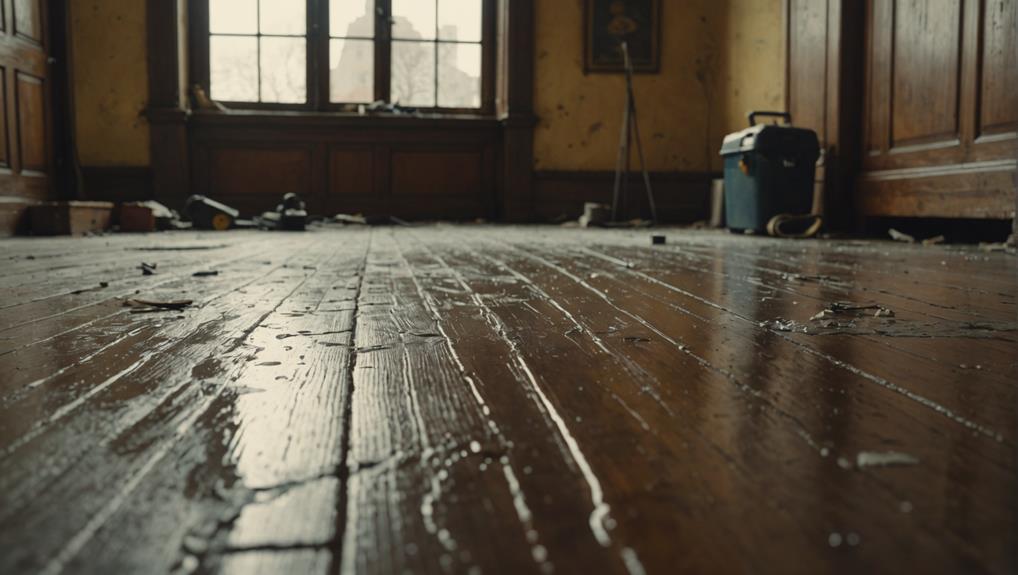
Water damage restoration costs in Norcross vary significantly based on the water category, affected square footage, materials requiring replacement, and whether mold remediation becomes necessary. Category 1 clean water events affecting a single room with hard-surface flooring typically cost $2,000-$3,500, while Category 3 black water events requiring full decontamination, material removal, and reconstruction can reach $8,000-$15,000 or more. The single largest cost variable is response time — properties treated within the first four hours consistently incur 30-50% lower restoration costs than properties where treatment was delayed 24 hours or more.
Insurance coverage plays a critical role in managing restoration costs. Most homeowner's policies cover sudden and accidental water damage events, and our team provides the detailed documentation — moisture readings, equipment logs, material inventories, and photograph series — that insurance adjusters require to process claims efficiently. We bill insurance carriers directly, minimizing out-of-pocket expense for Norcross property owners during an already stressful event.
Average Restoration Costs by Water Category in Norcross GA
- Category 1 (Clean Water): $2,000 - $4,000 — Broken supply lines, appliance overflows
- Category 2 (Gray Water): $3,500 - $6,500 — Washing machine discharge, HVAC condensate overflow
- Category 3 (Black Water): $6,000 - $15,000+ — Sewage backup, rising floodwater
View the complete cost guide with line-item breakdowns and insurance claim strategies →
Norcross GA Properties Face Elevated Water Damage Risk From Georgia Red Clay Soil and Chattahoochee Proximity
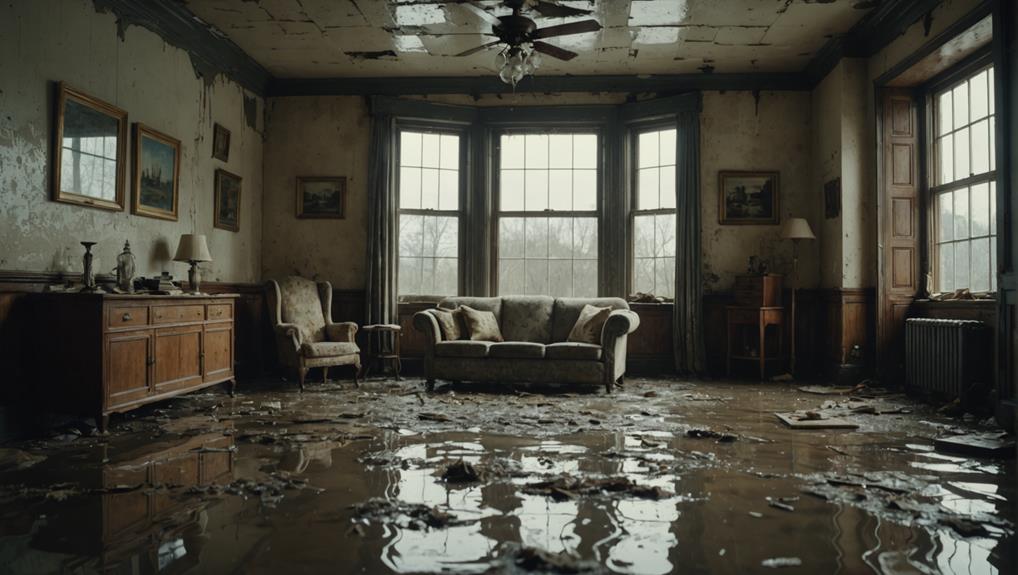
Norcross sits within the Chattahoochee River watershed on a geological foundation dominated by Georgia red clay soil — a dense, low-permeability substrate that prevents rainfall from absorbing into the ground efficiently. During Norcross's frequent summer thunderstorms, which average 50+ inches of annual precipitation, water pools on the surface and flows laterally toward building foundations rather than draining vertically. This creates persistent hydrostatic pressure against foundation walls, particularly in properties along the Beaver Ruin Road corridor and the low-lying areas near Jimmy Carter Boulevard where storm drainage capacity is frequently exceeded during heavy rain events.
The combination of red clay soil, high annual rainfall, humid subtropical climate conditions (average summer humidity 70-85%), and aging residential infrastructure across the Downtown Norcross Historic District creates a water damage risk profile that demands proactive prevention and rapid professional response when events occur. Properties served by Gwinnett County's stormwater system face additional risk during major rain events when combined sewer capacity is overwhelmed.
Neighborhoods and Service Areas Throughout Norcross GA
Read the complete Norcross GA local risk analysis with neighborhood-specific data →
Professional Equipment and Named Methods Separate Certified Restoration From DIY Attempts
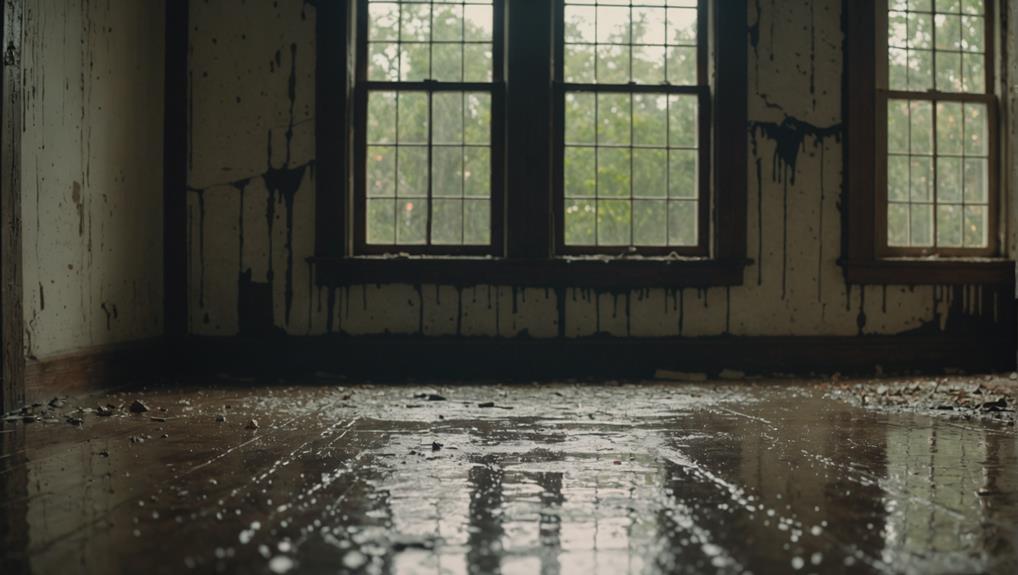
The gap between professional water damage restoration and DIY cleanup is measured in equipment capacity, contamination management, and documented outcomes. A residential shop vacuum removes approximately 1-2 gallons per minute compared to 20-30 gallons per minute for truck-mounted extraction units. Consumer box fans move 300-500 CFM of unfocused air versus 3,000 CFM of angle-optimized airflow from Sahara Pro X3 air movers. Household dehumidifiers remove 30-50 pints per day compared to 130 pints per day from LGR 2800i units. These performance differences determine whether your Norcross property reaches safe moisture levels within the 24-48 hour window before mold colonization begins.
Beyond equipment performance, professional restoration provides three capabilities that DIY methods cannot replicate: accurate water category classification that determines contamination protocols, psychrometric calculations that optimize drying conditions for your specific structure, and documented moisture monitoring that supports insurance claims. DIY cleanup that appears successful on the surface frequently leads to hidden mold discovery 3-6 months later, at which point remediation costs far exceed what professional restoration would have cost initially.
Professional IICRC-Certified Restoration
- Truck-mounted extraction: 20-30 gal/min
- LGR dehumidifiers: 130 pints/day
- Infrared moisture mapping
- ANSI/IICRC S500 compliance
- Insurance documentation included
- Post-restoration clearance testing
DIY Cleanup Limitations
- Shop vacuum: 1-2 gal/min
- Box dehumidifier: 30-50 pints/day
- No hidden moisture detection
- No contamination classification
- No insurance-grade documentation
- No mold prevention verification
Read the complete DIY vs professional comparison with cost analysis →
Water Damage Prevention Protects Norcross Properties Year-Round
Preventing water damage costs significantly less than restoration and protects your Norcross property investment year-round. Georgia's climate creates season-specific risks that require proactive maintenance at predictable intervals. The following seasonal checklist addresses the most common water damage causes our technicians encounter in Norcross neighborhoods, from frozen pipe bursts in January to HVAC condensate overflow during July's 95-degree heat.
Spring Prevention
- Inspect roof for winter storm damage and missing shingles
- Clean gutters and downspouts after winter debris accumulation
- Check foundation for new cracks or settling from freeze-thaw cycles
- Test sump pump operation before spring thunderstorm season
- Inspect water heater for corrosion and anode rod condition
Summer Prevention
- Clear HVAC condensate drain lines before peak cooling season
- Install secondary condensate pan with float switch on attic units
- Trim trees and vegetation away from roof and gutter systems
- Inspect washing machine supply hoses for bulging or cracking
- Verify sump pump battery backup for severe thunderstorm power outages
Fall Prevention
- Deep-clean gutters and install gutter guards before leaf season
- Inspect and re-caulk exterior windows, doors, and siding joints
- Prepare emergency water damage kit with shut-off tool and documentation
- Service water heater and flush sediment before winter demand increase
- Check crawl space for moisture intrusion and proper vapor barrier condition
Winter Prevention
- Insulate exposed pipes in attics, crawl spaces, and exterior walls
- Disconnect and drain outdoor garden hoses and irrigation lines
- Maintain thermostat at 55°F minimum when traveling to prevent pipe freezing
- Know your main water shut-off valve location for emergency access
- Install smart water leak detectors near water heater, washing machine, and under sinks
Even with diligent prevention, water damage emergencies occur without warning. When they do, call (888) 450-0858 immediately for 60-minute IICRC-certified emergency response throughout Norcross GA.
24/7 Emergency Water Damage Response in Norcross GA
IICRC-certified technicians respond within 60 minutes with industrial-grade equipment. Free estimates. Direct insurance billing.
(888) 450-0858Serving Norcross, Peachtree Corners, and surrounding Gwinnett County communities