Water Extraction Removes Standing Water Using Truck-Mounted and Portable Extraction Units
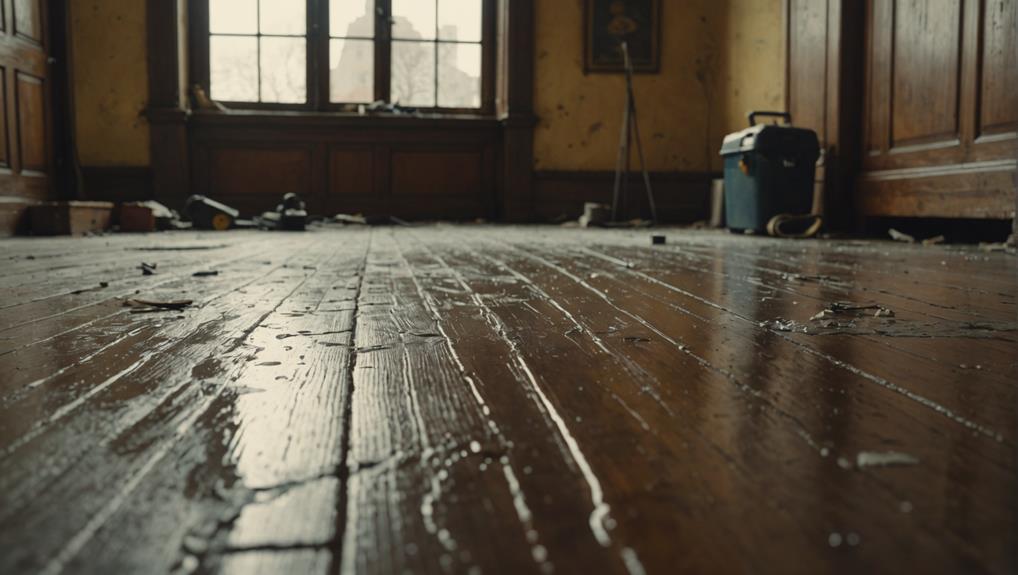
The first priority in any water damage event is removing standing water before it penetrates deeper into building materials. Our water extraction process deploys truck-mounted extraction units capable of removing up to 30 gallons per minute, paired with portable weighted extractors designed to pull water from carpet padding, hardwood subfloors, and concrete slabs. Truck-mounted systems draw power from dedicated PTO-driven vacuum pumps that generate significantly more suction than portable units, making them essential for basement flooding and large-scale commercial water losses in Norcross properties.
The extraction phase typically represents the most time-sensitive portion of the restoration process. Water follows gravity and capillary action simultaneously, traveling laterally through drywall at a rate of approximately one inch per hour in standard gypsum board. For a typical Norcross home with slab-on-grade construction, standing water migrates into wall cavities, under baseboards, and beneath cabinetry within the first two hours. Our technicians use infrared moisture mapping during extraction to identify migration pathways that visual inspection alone would miss.
The IICRC classifies water damage into three categories based on contamination level, and each category dictates specific extraction protocols, personal protective equipment requirements, and antimicrobial treatment schedules. Proper classification at the point of extraction prevents cross-contamination and ensures that downstream drying and restoration processes proceed correctly.
Category 1 Clean Water Extraction Addresses Broken Supply Lines and Appliance Overflows
Category 1 water originates from a sanitary source and poses no substantial risk to occupants upon contact. Common Category 1 sources in Norcross homes include broken potable water supply lines, toilet tank failures (not involving bowl contents), melting ice or snow intrusion through compromised roofing, and appliance supply line failures on dishwashers, refrigerators, and washing machines. According to IICRC S500 guidelines, Category 1 water that remains standing for more than 48 hours may degrade to Category 2 as bacterial counts rise from contact with building materials and ambient microorganisms.
Our Category 1 extraction protocol begins with shutting off the water source, followed by systematic extraction starting from the area of deepest accumulation and working outward. Technicians use clear-water extraction wands with stainless steel glide surfaces that prevent carpet damage while maximizing water recovery. For hardwood floors — common in many Norcross Historic District homes — we use flat-surface extractors with rubber gaskets that create a sealed vacuum chamber, drawing moisture vertically from the wood grain without forcing water deeper into the material.
The cost of Category 1 extraction is generally lower than contaminated water events because antimicrobial treatments are not required during the initial extraction phase, and affected materials have a higher likelihood of being salvageable through proper drying. However, the 48-hour degradation window means that delayed response to even clean water events can escalate both contamination risk and restoration expense.
Category 2 Gray Water Extraction Requires Antimicrobial Treatment Per IICRC S500
Category 2 water contains significant contamination that can cause illness or discomfort upon exposure or consumption. Sources include washing machine discharge, dishwasher overflow containing detergent and food residue, toilet overflow with urine but no fecal matter, sump pump failures, and aquarium ruptures. In Norcross, one of the most common Category 2 events involves HVAC condensate pan overflows during summer months when air conditioning systems run continuously in 90-degree-plus heat with 70-80% relative humidity.
Gray water extraction requires enhanced personal protective equipment including nitrile gloves, eye protection, and in some cases N95 respirators when aerosolization is likely during extraction. Our technicians apply EPA-registered antimicrobial agents to all affected surfaces immediately following extraction. The antimicrobial treatment serves two purposes: reducing bacterial and viral load on contacted surfaces and providing residual antimicrobial protection during the drying process when conditions otherwise favor microbial amplification.
Porous materials that absorb Category 2 water present a critical decision point for property owners weighing DIY cleanup against professional restoration. Carpet padding, insulation, and particleboard exposed to gray water generally require removal and replacement, while hardwood, engineered wood, and concrete can often be decontaminated and saved. Our moisture mapping and material assessment during extraction identifies which materials are salvageable, directly affecting the scope and cost of the overall restoration.
Category 3 Black Water Extraction Demands Full PPE and EPA-Approved Biocide Application
Category 3 water is grossly contaminated and contains pathogenic, toxigenic, or other harmful agents. Sources include sewage backup through floor drains or toilet bowls, rising floodwater from rivers, streams, or storm drainage, and any Category 1 or 2 water that has remained stagnant long enough to support significant microbial growth. In Norcross, severe thunderstorms can overwhelm the Gwinnett County stormwater system, causing combined sewer overflows that push Category 3 water into basements and ground-floor spaces along Beaver Ruin Road and the Jimmy Carter Boulevard corridor.
Black water extraction requires full PPE including Tyvek coveralls, chemical-resistant gloves, rubber boots, and powered air-purifying respirators (PAPRs) for enclosed spaces. Our extraction protocol for Category 3 events includes immediate containment of the affected area using polyethylene sheeting and negative air pressure to prevent cross-contamination to unaffected portions of the structure. All porous materials contacted by Category 3 water — including carpet, padding, drywall below the flood line, insulation, and particleboard — must be removed and disposed of as contaminated waste per EPA guidelines.
Following extraction, all remaining structural surfaces receive a two-stage treatment: first, an EPA-registered broad-spectrum biocide applied at manufacturer-specified concentration, followed by a second application after surfaces have dried to 60% of their initial moisture content. This two-stage approach addresses both surface contamination and organisms that may have penetrated into the material matrix. Post-treatment ATP (adenosine triphosphate) testing confirms that microbial counts have returned to acceptable background levels before reconstruction begins.
When to Call for Professional Water Extraction
Standing water covering more than a single room, any water from an unknown or contaminated source, or any water event lasting more than two hours warrants professional extraction rather than DIY cleanup. Residential shop vacuums remove approximately 1-2 gallons per minute compared to 20-30 gallons per minute for truck-mounted units, making professional equipment essential for preventing secondary damage in time-sensitive situations.
Structural Drying Uses Dri-Eaz LGR 2800i Dehumidifiers and Sahara Pro X3 Air Movers
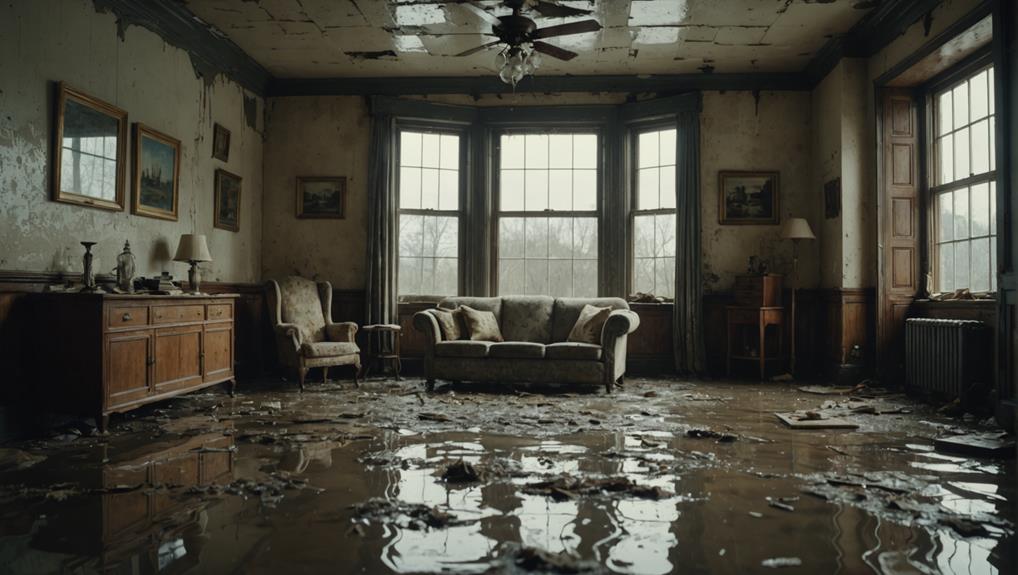
Once extraction removes standing water, the structural drying phase targets bound moisture trapped within building materials. Standard gypsum drywall retains approximately 8-12 ounces of water per square foot even after surface water has been extracted, and hardwood flooring absorbs moisture to equilibrium levels determined by the surrounding relative humidity. The Dri-Eaz LGR 2800i (Low Grain Refrigerant) dehumidifier removes up to 130 pints of water per day while maintaining operating efficiency at temperatures as low as 45 degrees Fahrenheit — an important consideration for Norcross properties where HVAC systems may be shut down during restoration.
The LGR 2800i uses a dual-pass heat exchange system that pre-cools incoming air before it reaches the primary evaporator coils, achieving lower grain depression than conventional refrigerant dehumidifiers. Grain depression — the difference in grains of moisture per pound of air between intake and discharge — directly determines drying speed. The LGR 2800i achieves grain depressions of 60-90 grains per pound compared to 30-50 for standard units, reducing drying time by 30-40% in Norcross's humid conditions.
Sahara Pro X3 air movers complement the dehumidification system by accelerating evaporation from wet surfaces. Each unit delivers 3,000 CFM (cubic feet per minute) of focused airflow at a 15-degree angle optimized for wall cavity drying. Our technicians position air movers at a ratio of one unit per 10-16 linear feet of affected wall, creating a laminar airflow pattern that disrupts the boundary layer of saturated air clinging to wet surfaces. This boundary layer disruption is critical because stagnant saturated air above a wet surface dramatically slows evaporation regardless of how much dehumidification capacity is present in the room.
Equipment placement follows psychrometric principles specific to the conditions inside each affected structure. The drying process is not a one-size-fits-all operation — variables including building construction type, affected material porosity, ambient temperature, and initial moisture levels all influence the optimal equipment configuration.
Psychrometric Calculations Determine Optimal Equipment Placement for Norcross Properties
Psychrometrics — the study of thermodynamic properties of moist air — provides the scientific foundation for all structural drying decisions. Our technicians record four key measurements at the start of every drying project: dry bulb temperature, wet bulb temperature (or relative humidity), grains per pound of moisture (GPP), and dew point temperature. These measurements are plotted on a psychrometric chart to determine the current atmospheric conditions inside the structure and calculate the target conditions necessary for efficient drying.
In Norcross, outdoor conditions during summer months typically range from 85-95 degrees Fahrenheit with 70-85% relative humidity, translating to 120-160 grains per pound of atmospheric moisture. Indoor conditions in an air-conditioned Norcross home normally maintain 72-76 degrees with 45-55% relative humidity (approximately 55-70 GPP). After a water damage event, indoor GPP levels can spike to 100-140 GPP — approaching or exceeding outdoor ambient levels — which means simply opening windows provides no drying benefit and may introduce additional moisture.
Our psychrometric calculations determine how many dehumidifiers and air movers are needed to achieve target GPP levels based on the volume of the affected space, the total moisture load in the building materials, and the rate at which materials release absorbed moisture. For a typical 1,500-square-foot Norcross home with water damage affecting three rooms, the initial equipment prescription might include four to six LGR 2800i dehumidifiers and fifteen to twenty Sahara Pro X3 air movers, adjusted daily as moisture readings change.
Tramex Moisture Encounter Plus Monitors Drying Progress Behind Walls and Under Flooring
Visual and tactile assessment cannot reliably determine whether building materials have reached acceptable moisture levels. A wall surface may feel dry to the touch while the drywall core and underlying stud framing retain moisture levels sufficient to support mold growth. The Tramex Moisture Encounter Plus non-invasive moisture meter uses calibrated radio frequency signals that penetrate up to 3/4 inch into building materials, providing quantitative moisture readings without drilling holes or removing finish materials.
Our technicians establish a moisture monitoring grid during the first 24 hours of drying, marking numbered measurement points on affected walls, floors, and ceilings at consistent intervals. Daily readings at each grid point are recorded on a standardized drying log that documents the moisture curve — the rate at which each material is releasing moisture over time. A healthy drying curve shows consistent day-over-day reductions. A plateau or reversal in the curve signals a problem: possible hidden water source, inadequate equipment coverage, or compromised building envelope allowing moisture infiltration.
These documented moisture readings serve a dual purpose. First, they guide real-time equipment adjustments to maintain optimal drying conditions. Second, they create a defensible record for insurance purposes. Insurance adjusters reviewing water damage claims look for objective evidence that professional-grade drying protocols were followed. The Tramex moisture logs, combined with daily psychrometric readings and equipment placement documentation, provide the quantitative evidence that supports the restoration costs submitted in the claim.
FLIR E8 Thermal Imaging Reveals Hidden Moisture Pockets Invisible to Visual Inspection
The FLIR E8 thermal imaging camera detects temperature differentials as small as 0.06 degrees Celsius across surfaces, making hidden moisture pockets immediately visible. Wet building materials are cooler than surrounding dry materials due to evaporative cooling — the same principle that makes a wet towel feel cold. The FLIR E8's 320 x 240 infrared sensor renders these temperature differences as a color-gradient image, with cooler (wetter) areas appearing as distinct blue or purple regions against the warmer (drier) yellow and orange background.
Thermal imaging is particularly valuable in Norcross homes for detecting moisture behind kitchen and bathroom cabinets, under tile flooring where water migrates through thinset mortar, inside wall cavities where plumbing runs vertically through multiple stories, and above drop ceilings in finished basements. These concealed areas represent the most common locations for secondary damage because they are invisible during routine inspection and often remain wet long after visible surfaces have dried.
We perform thermal imaging sweeps at the start of every drying project to establish baseline conditions, then repeat scans every 48 hours to verify that hidden moisture pockets are responding to the drying equipment. Any areas that show persistent thermal anomalies after 72 hours of drying may require targeted intervention — such as drilling small evaporation holes in wall cavities, removing sections of baseboard to improve airflow, or repositioning air movers to address previously undetected moisture pathways.
Mold Prevention Begins Within 24 Hours of Water Damage in Norcross's Humid Climate
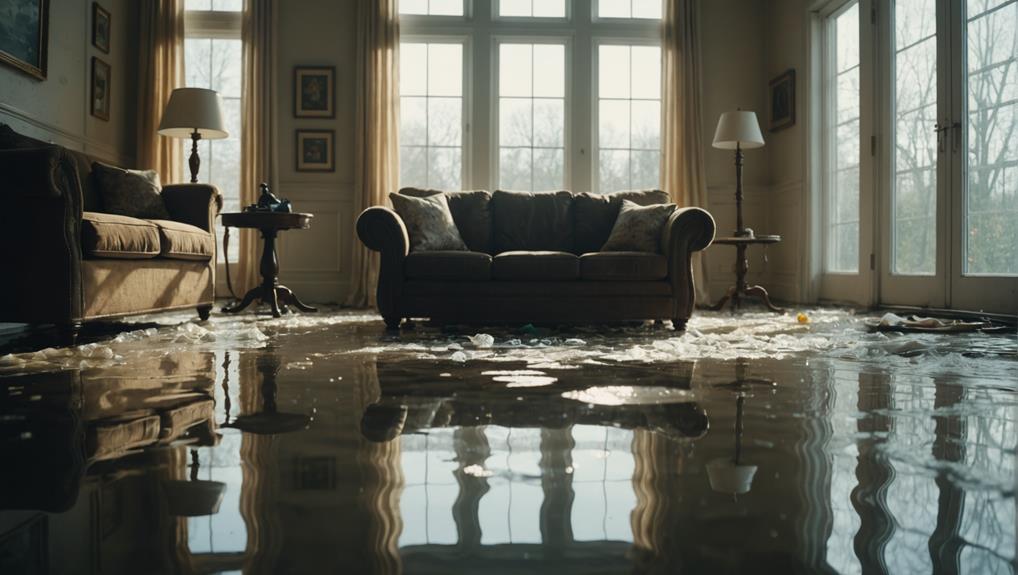
Mold prevention is not a separate service added after drying — it is an integrated component of every water damage restoration project. The Norcross, Georgia climate creates conditions that are especially favorable for mold colonization. Average relative humidity in Gwinnett County exceeds 70% for eight months of the year, and summer dew points frequently reach 72-75 degrees Fahrenheit. When water damage introduces excess moisture into a structure already surrounded by humid ambient air, the resulting microclimate inside wall cavities and under flooring can reach 90-100% relative humidity — the threshold at which most mold species begin active growth within 24 to 48 hours.
The species of greatest concern in Norcross water damage events are Aspergillus, Penicillium, and Cladosporium — all of which are ubiquitous in Southeast Georgia's outdoor air. These fungi require only four conditions to colonize building materials: moisture (above 60% relative humidity at the material surface), a food source (cellulose in drywall paper, wood, carpet backing), appropriate temperature (68-86 degrees Fahrenheit, which matches typical Norcross indoor conditions), and time (24-48 hours). Our restoration protocol is designed to eliminate the moisture variable before the colonization window closes.
Stachybotrys chartarum — commonly known as "black mold" — requires sustained saturation rather than elevated humidity, making it a risk primarily in Category 3 events and prolonged water intrusion situations such as slow plumbing leaks behind walls. While less common than Aspergillus and Penicillium, Stachybotrys produces mycotoxins that present more serious health concerns, making rapid extraction and drying doubly important for contaminated water events.
IICRC S520 Mold Remediation Standard Governs Containment and HEPA Filtration Protocols
When mold is discovered during a water damage restoration project — or when conditions indicate imminent mold growth — our technicians follow IICRC S520 standard protocols for containment and remediation. The S520 standard defines three levels of mold contamination based on affected area, with each level prescribing specific containment, filtration, and worker protection requirements.
For Level 2 contamination (10-30 square feet of affected area, the most common scenario in residential water damage), the S520 standard requires full containment using 6-mil polyethylene sheeting sealed with duct tape at all edges, negative air pressure maintained by a HEPA-filtered air scrubber exhausting to the building exterior, and worker protection including N95 respirators and disposable coveralls. The containment barrier prevents spore migration to unaffected areas of the home during material removal and surface treatment.
Our HEPA air scrubbers filter 99.97% of airborne particles down to 0.3 microns — well below the 2-10 micron range of most mold spores. We run air scrubbers continuously during material removal and for a minimum of 24 hours after remediation is complete. Post-remediation air sampling using Allergenco-D spore trap cassettes provides quantitative confirmation that airborne mold concentrations inside the treated area have returned to levels at or below outdoor ambient concentrations, meeting the S520 clearance standard.
Antimicrobial Treatments Prevent Mold Colony Formation on Wet Building Materials
Antimicrobial treatment during water damage restoration serves as a preventive measure applied to materials that will remain in place during the drying process. Unlike mold remediation — which removes existing colonies — preventive antimicrobial treatment inhibits the initial germination and growth of mold spores on wet surfaces before colonies can establish.
We use EPA-registered antimicrobial products applied via electrostatic sprayers that provide 360-degree coverage of treated surfaces including the interior surfaces of wall cavities, the undersides of subfloor sheathing, and the concealed faces of structural framing. Electrostatic application charges the antimicrobial solution particles, causing them to wrap around and adhere to all surfaces of the target material rather than simply coating the front face. This technique is particularly effective for treating inside wall cavities through small access holes without requiring full drywall removal.
Treatment timing is critical. Antimicrobial agents are most effective when applied within the first 24 hours of water damage, before mold spores have germinated. Once hyphal networks have established — typically 48-72 hours after initial wetting — surface-applied antimicrobials cannot reach the organisms growing within the material matrix, and physical removal of the affected material becomes necessary. This timeline underscores why rapid response matters: a property owner attempting DIY cleanup who delays professional treatment by even one day significantly increases the likelihood that preventable mold growth will require more extensive — and expensive — remediation.
Complete Property Restoration Returns Norcross Homes to Pre-Damage Condition
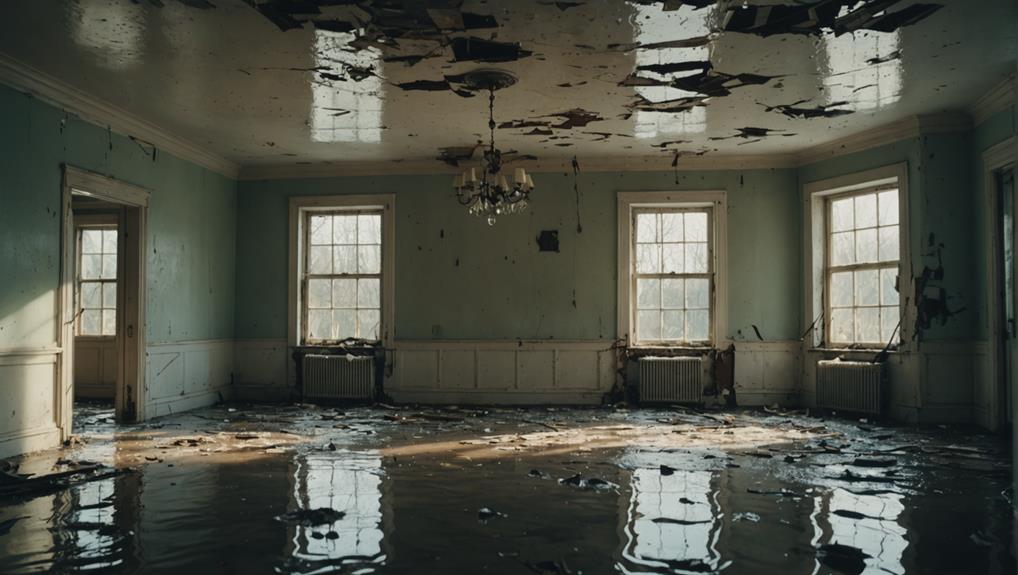
Water damage restoration is not complete when the structure is dry. The final phase of every restoration project addresses the physical damage that water, extraction, and drying processes have caused to finish materials and structural components. Depending on the severity and category of the water event, restoration scope ranges from repainting affected walls and replacing baseboards to full reconstruction of walls, flooring, and cabinetry.
Our restoration division operates as a licensed general contractor, enabling us to handle the complete rebuild process in-house rather than requiring the property owner to coordinate with separate contractors for demolition, framing, drywall, flooring, painting, and cabinetry. Single-source restoration eliminates the scheduling gaps, communication failures, and warranty disputes that commonly arise when multiple independent contractors work sequentially on the same project. It also simplifies insurance claim processing because all line items appear on a unified scope of work and a single invoice.
The transition from drying to reconstruction begins with a detailed scope inspection. Our project manager walks the property with the homeowner and, when applicable, the insurance adjuster, documenting every element that requires repair or replacement. This scope document becomes the binding agreement for the reconstruction phase and serves as the basis for the insurance supplement if the initial claim estimate was insufficient to cover the actual damage.
Structural Repairs Address Drywall, Flooring, and Framing Damaged by Water Intrusion
Drywall is the most commonly replaced material in water damage restoration. Standard 1/2-inch gypsum drywall absorbs water readily through both the paper face and the cut edges, and once saturated, the gypsum core loses structural integrity and develops a characteristic swelling pattern that cannot be reversed through drying alone. Our protocol removes drywall to 12 inches above the visible waterline to account for capillary wicking, and moisture meter readings above the cut line verify that the remaining drywall is dry and structurally sound.
Hardwood flooring presents a more complex restoration decision. Solid hardwood that has cupped or crowned due to moisture absorption can often be restored through controlled drying followed by professional sanding and refinishing — provided the moisture content differential between the face and the back of the boards does not exceed 2%. Engineered hardwood with a compromised adhesive layer between the veneer and the substrate typically requires replacement. Laminate flooring that has absorbed water through the seams or edges always requires replacement because the fiberboard core swells irreversibly upon wetting.
Structural framing — the wall studs, floor joists, and roof rafters that form the building skeleton — is rarely compromised in short-duration water events. However, prolonged saturation from slow leaks or Category 3 floodwater can cause wood framing to develop soft spots, fungal decay, or fastener corrosion that affects load-bearing capacity. Our technicians probe all exposed framing with a calibrated resistance-type pin meter and assess structural integrity through visual inspection and sounding. Any framing member showing signs of decay or testing above 19% moisture content after drying is flagged for structural evaluation and potential sistering or replacement.
Content Cleaning and Pack-Out Services Protect Personal Belongings During Restoration
Personal property affected by water damage requires prompt attention to maximize salvageability. The pack-out process begins with a detailed photographic inventory of all items in affected rooms, including condition documentation for insurance purposes. Items are categorized into three groups: those that can be cleaned on-site, those that require off-site specialized cleaning, and those that are non-restorable and should be claimed as losses.
On-site content cleaning addresses hard-surface items like furniture frames, appliances, electronics housings, and decorative objects using appropriate cleaning methods matched to the water category. Category 1 water typically requires only wiping and drying, while Category 2 and 3 exposures demand antimicrobial treatment and, for porous items like upholstered furniture and mattresses, professional extraction and treatment or replacement.
Off-site cleaning applies to soft goods (clothing, linens, drapery), documents, photographs, and specialty items such as artwork and antiques. Our content cleaning facility uses ultrasonic cleaning for hard goods, ozone treatment for smoke and odor removal, and freeze-drying technology for water-damaged documents and photographs. All items are stored in our climate-controlled facility at 68 degrees Fahrenheit and 50% relative humidity until the property reconstruction is complete and ready for content return.
The pack-out process also protects personal belongings from construction dust, paint overspray, and accidental damage during the reconstruction phase. Items in unaffected rooms that cannot be relocated within the home are covered with protective poly sheeting and sealed at the edges. This integrated approach to content and structure ensures that the homeowner's property is protected throughout the entire restoration timeline.
24/7 Emergency Water Damage Response Serves All Norcross GA Zip Codes
Water damage emergencies in Norcross require immediate professional response to prevent escalating structural damage and mold growth. Our dispatch center operates 24 hours a day, 365 days a year, with crews positioned throughout Gwinnett County to ensure 60-minute response times to any Norcross address.
We serve all Norcross neighborhoods including Downtown Norcross Historic District, Peachtree Corners, Jimmy Carter Blvd corridor, Beaver Ruin Road, and Jones Bridge Road communities.
(888) 450-0858IICRC Certified • Licensed & Insured • Free Estimates • Direct Insurance Billing
Serving: Downtown Norcross Historic District • Peachtree Corners • Jimmy Carter Blvd Corridor • Beaver Ruin Road • Jones Bridge Road • And All Surrounding Communities